DIAGNOSTIC PRINCIPLEDiagnose the cause before replacing parts.
LOCATION5, Sapyeong 4-gil, Jeju-si, Jeju, Korea
SYMPTOM MAP
Symptoms worth checking first
The same model can use different engines, transmissions and drivetrains by year. A symptom alone is not enough to choose a replacement part; the vehicle needs to be inspected.
01
warning lights, maintenance, leaks, vibration and noise
The same model can use different engines, transmissions and drivetrains by year. A symptom alone is not enough to choose a replacement part; the vehicle needs to be inspected.
02
ABS, ESP or brake warning lights
Built for drivers who search the symptom first: ABS, ESP or brake warning lights, what it can feel like and how to narrow it down.
03
no-start, battery or charging warnings
Built for drivers who search the symptom first: no-start, battery or charging warnings, what it can feel like and how to narrow it down.
DIAGNOSTIC FLOW
How we narrow down the cause
Built for drivers who search the symptom first: Warning Light & Scan Diagnostics, what it can feel like and how to narrow it down.
01
Confirm warning lights, sounds, smells, vibration and when they occur
02
Use scan data and a basic visual inspection to separate likely causes
03
Inspect related cooling, oil, electrical, suspension or driveline systems
04
Explain priorities and repair scope before work begins
BEFORE YOU VISIT
Useful information before you visit
✓ Model, year and mileage
✓ Dashboard or warning-light photo
✓ Speed, temperature and driving conditions when it happens
✓ Recent repair history or replaced parts
01DASHBOARD
02VEHICLE / YEAR
03LEAK / NOISE AREA
Send the dashboard warning, vehicle/model-year information, and any visible leak or problem area.
RELATED GUIDES
Related repair guides
◆Korean vehicle guide
Jeju Genesis Repair
warning lights, maintenance, leaks, vibration and noise, suspension clunks, bushing noise or uneven tire wear, brake squeal, vibration or reduced braking feel
pre-visit repair inquiries from Jeju Global Education City / Daejeong, warning lights, maintenance, leaks, vibration and noise, coolant loss, leaks or overheating
Send the dashboard warning, vehicle/model-year information, and any visible leak or problem area.
SAPYEONG DIAGNOSTIC NOTE
Warning-light diagnosis is more than reading a code. The key is checking whether the conditions recorded with the code match the vehicle's real behaviour.
Warning-light diagnosis is more than reading a code. The key is checking whether the conditions recorded with the code match the vehicle's real behaviour.
What to record before you visit
Warning colour, exact message and whether it flashes
Whether it appeared at start-up or while driving and under what conditions
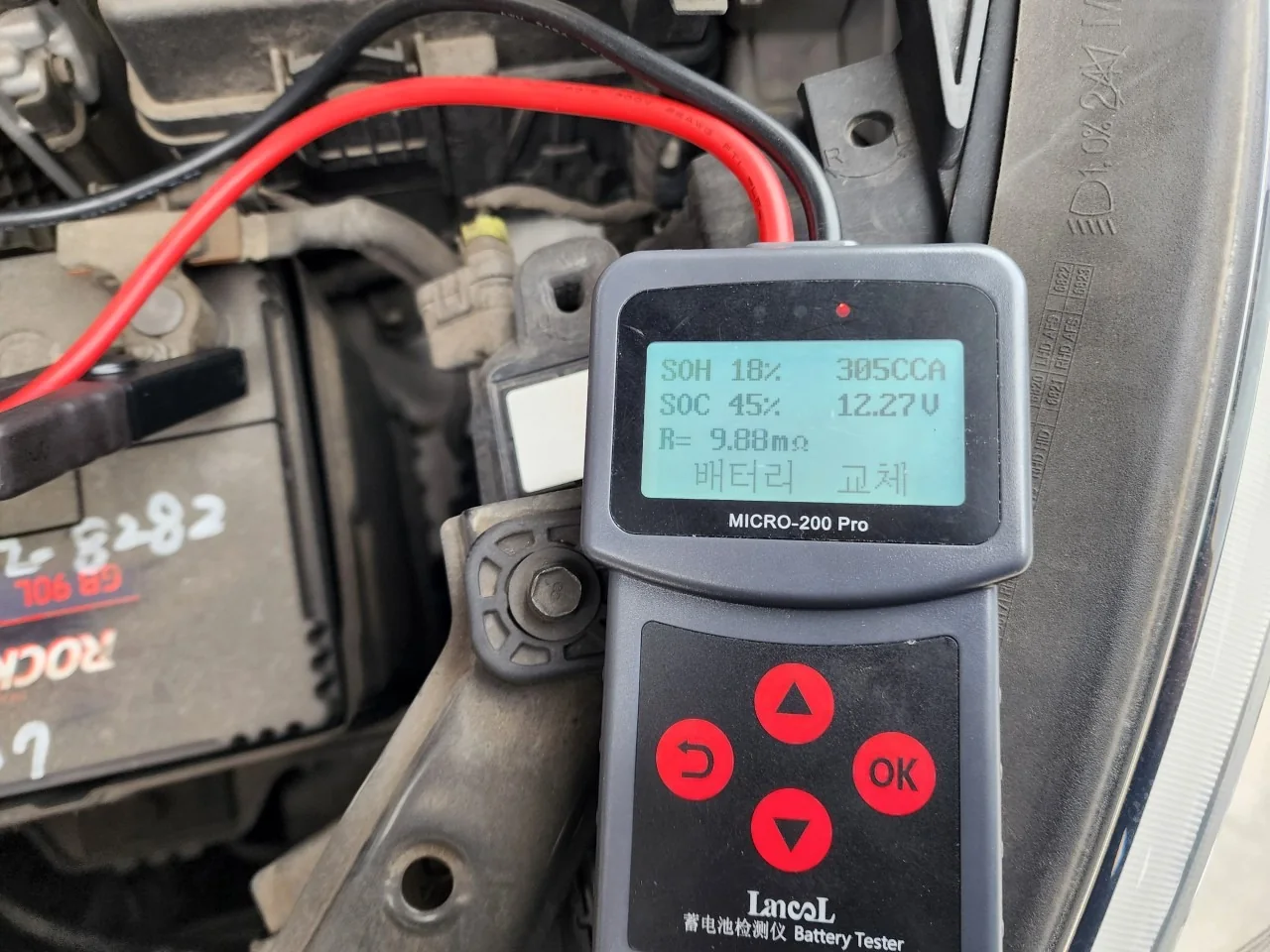
Recent battery discharge, jump-start, replacement or repair work
How Sapyeong explains the diagnostic sequence
Separate current and historic codes and review available event conditions
Check fundamentals such as power supply, grounds and battery voltage first
Compare sensor values with the physical state before narrowing the circuit or component
What should not be assumed too early
Do not replace a part simply because its name appears in a code description
Do not treat a chain of low-voltage codes as multiple failed components
Do not treat clearing the warning as a repair
Signals to reduce driving or consider stopping and towing
Oil-pressure, brake or overheating warnings suggesting immediate damage or safety risk
A warning accompanied by severe vibration, major power loss or abnormal noise
Smoke, burning smell or visible fluid leakage
What to re-check after work
Under what condition the code returns
Whether related sensor, voltage and temperature values change plausibly
Whether the original symptom remains even if the lamp stays off
This is general decision guidance, not a remote diagnosis. The actual cause and repair scope are decided after the vehicle is inspected.