한국어English日本語简体中文

REPAIR SERVICE

Jeju Car Repair

A practical Jeju guide to Jeju Car Repair, including symptoms, diagnostic flow and what to prepare before visiting.

  • ✓ Model, year and mileage
  • ✓ Dashboard or warning-light photo
  • ✓ Explain diagnosis and scope before replacement
  • Jeju Car Repair diagnostic guide
    🚘
    Repair serviceJeju Car Repair
    SEARCH INTENT제주 카센터 제주 자동차 정비 제주 차량 수리
    DIAGNOSTIC PRINCIPLEDiagnose the cause before replacing parts.
    LOCATION5, Sapyeong 4-gil, Jeju-si, Jeju, Korea

    SYMPTOM MAP

    Symptoms worth checking first

    The same model can use different engines, transmissions and drivetrains by year. A symptom alone is not enough to choose a replacement part; the vehicle needs to be inspected.

    01

    warning lights, maintenance, leaks, vibration and noise

    The same model can use different engines, transmissions and drivetrains by year. A symptom alone is not enough to choose a replacement part; the vehicle needs to be inspected.

    02

    brake squeal, vibration or reduced braking feel

    Built for drivers who search the symptom first: brake squeal, vibration or reduced braking feel, what it can feel like and how to narrow it down.

    03

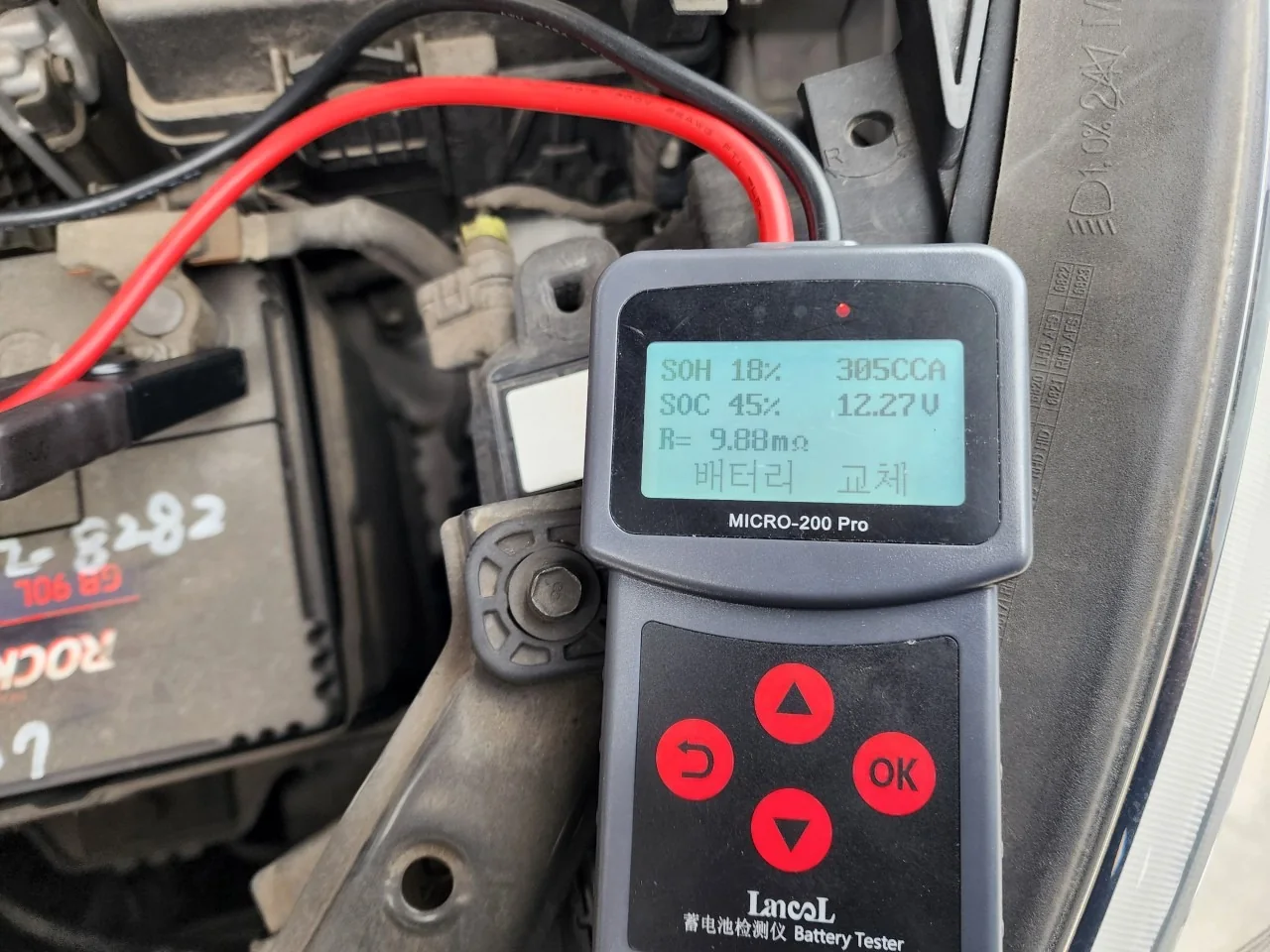
    no-start, battery or charging warnings

    Built for drivers who search the symptom first: no-start, battery or charging warnings, what it can feel like and how to narrow it down.

    04

    coolant loss, leaks or overheating

    Built for drivers who search the symptom first: coolant loss, leaks or overheating, what it can feel like and how to narrow it down.

    DIAGNOSTIC FLOW

    How we narrow down the cause

    A practical Jeju guide to Jeju Car Repair, including symptoms, diagnostic flow and what to prepare before visiting.

    1. 01
      Confirm warning lights, sounds, smells, vibration and when they occur
    2. 02
      Use scan data and a basic visual inspection to separate likely causes
    3. 03
      Inspect related cooling, oil, electrical, suspension or driveline systems
    4. 04
      Explain priorities and repair scope before work begins

    BEFORE YOU VISIT

    Useful information before you visit

    • ✓ Model, year and mileage
    • ✓ Dashboard or warning-light photo
    • ✓ Speed, temperature and driving conditions when it happens
    • ✓ Recent repair history or replaced parts
    01DASHBOARD
    02VEHICLE / YEAR
    03LEAK / NOISE AREA

    Send the dashboard warning, vehicle/model-year information, and any visible leak or problem area.

    RELATED GUIDES

    Related repair guides

    FAST INQUIRY

    Text us your vehicle and symptoms now.

    Sharing the model and symptoms first helps us tell you what information to prepare before a visit.

    30-SECOND PRE-VISIT CARD

    A few photos can make your inquiry much faster.

    Send the dashboard warning, vehicle/model-year information, and any visible leak or problem area.

    Your entries are formatted into a text message. You can review the message in your phone before sending.

    SAPYEONG DIAGNOSTIC NOTE

    A useful repair visit starts with explaining why the symptom occurs, not simply naming a part to replace.

    A useful repair visit starts with explaining why the symptom occurs, not simply naming a part to replace.

    What to record before you visit
    • When the symptom first appeared and how often it occurs
    • Whether it happens cold or hot, at low or high speed, during acceleration, braking or steering
    • Recent repairs, battery replacement, collision history or warning-light events
    How Sapyeong explains the diagnostic sequence
    • Define the reproduction conditions and separate safety-critical symptoms first
    • Compare scan data and visual inspection with the driver's actual complaint
    • Check related systems before explaining repair priority and how the result will be verified
    What should not be assumed too early
    • Do not treat one fault code as proof of one failed part
    • Do not identify a component from noise location alone
    • Do not expand preventive replacement simply because service history is incomplete
    Signals to reduce driving or consider stopping and towing
    • Sudden loss of braking performance or abnormal pedal feel
    • Overheating, steam or rapid coolant loss
    • Unstable steering, severe vibration or a sudden metallic impact noise
    What to re-check after work
    • Whether the symptom returns under the same conditions
    • Whether warning lights, leaks or abnormal noise recur
    • Whether any related system still needs observation

    This is general decision guidance, not a remote diagnosis. The actual cause and repair scope are decided after the vehicle is inspected.

    30 years of workshop experience · diagnosis first · repair only what is justified

    An experienced mechanic starts with ‘why is this happening?’ before ‘what should we replace?’

    Sapyeong Car Center is operated by a mechanic with about 30 years of automotive repair experience. The workshop has also handled repair work entrusted by larger repair shops. That experience is reflected in a diagnosis-first approach: the vehicle’s actual symptoms and condition are compared with scan data rather than treating a fault code or model name as a diagnosis by itself.

    Workshop integrity principles

    • Do not recommend a part replacement before there is a reasonable diagnostic basis for it.
    • Explain why work is recommended and distinguish what is urgent from what can reasonably be monitored.
    • Do not treat a single scan code or symptom label as proof of one failed component.
    • Where warranty, recall or manufacturer campaign support is more appropriate, distinguish that from general independent repair.
    • Explain repair priorities so the customer can understand and approve the scope before work proceeds.

    Safe observations you can make before visiting a workshop

    • Photograph dashboard warning lights and messages and note whether they return after restarting the vehicle.
    • Record when noise or vibration appears: speed, acceleration, braking, steering, cold start or fully warmed conditions.
    • Look for fresh fluid marks, unusual smells, smoke or steam without touching hot components. Never open a hot pressurised coolant cap.
    • List recent battery replacement, collisions, repairs or maintenance that occurred before the symptom began.
    • For braking, steering, overheating or strong fuel-smell symptoms, prioritise stopping or towing rather than attempting a DIY fix.

    Questions that can help prevent unnecessary repair spending

    • What evidence supports replacing this part?
    • Which work is urgent and which can reasonably be monitored?
    • Can inspection, adjustment, cleaning or re-testing narrow the cause before replacement?
    • How will the repair result be verified after the work?
    • Can related repairs be prioritised instead of replacing several parts at once?

    Technical review: Sapyeong Car Center · operated by a mechanic with about 30 years of experience · experience handling work entrusted by larger repair shops

    This page is general guidance to help drivers understand symptoms and take part in repair decisions. The actual fault can only be confirmed after inspecting the vehicle.

    ☎ Call💬 Text us📍 Directions